| Vocabulario 2 (1) → |
JLPT4
Vocabulario 1 (3)
71. 船 (fune) – Barco
船 (fune – barco, navío).
1. 船で旅行しました。
Fune de ryokō shimashita.
→ Viajé en barco.Vocabulario: 旅行 (ryokō – viaje).
2. 船が港に着きました。
Fune ga minato ni tsukimashita.
→ El barco llegó al puerto.Vocabulario: 港 (minato – puerto), 着く (tsuku – llegar).
3. 船に多くの人が乗っています。
Fune ni ōku no hito ga notteimasu.
→ Muchas personas están a bordo del barco.Vocabulario: 多く (ōku – muchos), 乗る (noru – subir a un vehículo).
72. 出す (furidasu) – Empezar a llover
降 (furu – caer, llover/nevar). 出 (dasu – salir, empezar).
1. 突然雨が降り出しました。
Totsuzen ame ga furidashimashita.
→ De repente empezó a llover.Vocabulario: 突然 (totsuzen – de repente), 雨 (ame – lluvia).
2. 雪が降り出しました。
Yuki ga furidashimashita.
→ Empezó a nevar.Vocabulario: 雪 (yuki – nieve).
3. 授業中に雨が降り出しました。
Jugyōchū ni ame ga furidashimashita.
→ Durante la clase comenzó a llover.Vocabulario: 授業中 (jugyōchū – durante la clase).
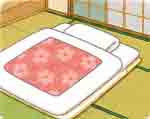
73. 布団 (futon) – Futón (ropa de cama japonesa)
布 (fu – tela, paño). 団 (ton – grupo, redondo, colchón en este contexto).
1. 布団で寝ました。
Futon de nemashita.
→ Dormí en un futón.Vocabulario: 寝る (neru – dormir).
2. 冬は厚い布団を使います。
Fuyu wa atsui futon o tsukaimasu.
→ En invierno uso un futón grueso.Vocabulario: 冬 (fuyu – invierno), 厚い (atsui – grueso).
3. 布団を畳んでください。
Futon o tatande kudasai.
→ Por favor, dobla el futón.Vocabulario: 畳む (tatamu – doblar).
74. 太る (futoru) – Engordar
Vocabulario: 太 (futo – gordo, grueso).
1. 最近少し太りました。
Saikin sukoshi futorimashita.
→ Últimamente he engordado un poco.Vocabulario: 最近 (saikin – recientemente), 少し (sukoshi – un poco).
2. 食べすぎると太ります。
Tabesugiru to futorimasu.
→ Si comes demasiado, engordas.Vocabulario: 食べすぎる (tabesugiru – comer demasiado).
3. 太るのが心配です。
Futoru no ga shinpai desu.
→ Me preocupa engordar.Vocabulario: 心配 (shinpai – preocupación).
75. 普通 (futsū) – Normal, ordinario, común.
Vocabulario: 普 (fu – general, universal). 通 (tsū – pasar, comunicar).
1. 普通は朝ご飯を食べます。
Futsū wa asagohan o tabemasu.
→ Generalmente desayuno.Vocabulario: 朝ご飯 (asagohan – desayuno), 食べる (taberu – comer).
2. 今日は普通の一日でした。
Kyō wa futsū no ichinichi deshita.
→ Hoy fue un día normal.Vocabulario: 今日 (kyō – hoy), 一日 (ichinichi – un día).
3. 普通電車で行きます。
Futsū densha de ikimasu.
→ Voy en tren local (normal).Vocabulario: 電車 (densha – tren).
76. ガラス (garasu) – Vidrio, cristal.
1. ガラスのコップを割りました。
Garasu no koppu o warimashita.
→ Rompí un vaso de vidrio.Vocabulario: コップ (koppu – vaso), 割る (waru – romper).
2. ガラスは透明です。
Garasu wa tōmei desu.
→ El vidrio es transparente.Vocabulario: 透明 (tōmei – transparente).
3. 窓はガラスでできています。
Mado wa garasu de dekiteimasu.
→ La ventana está hecha de vidrio.Vocabulario: 窓 (mado – ventana), できている (dekiteiru – estar hecho de).
77. ガソリン (gasorin) – Gasolina
1. ガソリンが高いです。
Gasorin ga takai desu.
→ La gasolina está cara.Vocabulario: 高い (takai – caro, alto).
2. 車にガソリンを入れました。
Kuruma ni gasorin o iremashita.
→ Le puse gasolina al coche.Vocabulario: 車 (kuruma – coche), 入れる (ireru – poner, echar).
3. ガソリンスタンドはどこですか。
Gasorin sutando wa doko desu ka.
→ ¿Dónde está la gasolinera?Vocabulario: スタンド (sutando – estación de servicio, gasolinera).
78. ガソリンスタンド (gasorin sutando) – Gasolinera
1. ガソリンスタンドはこの近くにあります。
Gasorin sutando wa kono chikaku ni arimasu.
→ La gasolinera está cerca de aquí.Vocabulario: 近く (chikaku – cerca), ある (aru – estar, haber).
2. 車をガソリンスタンドに持って行きました。
Kuruma o gasorin sutando ni motte ikimashita.
→ Llevé el coche a la gasolinera.Vocabulario: 車 (kuruma – coche), 持って行く (motte iku – llevar).
3. ガソリンスタンドでアルバイトをしています。
Gasorin sutando de arubaito o shiteimasu.
→ Trabajo a medio tiempo en una gasolinera.Vocabulario: アルバイト (arubaito – trabajo de medio tiempo).
79. ガス (gasu) – Combustible, gas
1. ガスが止まりました。
Gasu ga tomarimashita.
→ Se cortó el gas.Vocabulario: 止まる (tomaru – detenerse).
2. ガスを使って料理します。
Gasu o tsukatte ryōri shimasu.
→ Cocino usando gas.Vocabulario: 料理 (ryōri – cocina, cocinar), 使う (tsukau – usar).
3. ガス料金が高いです。
Gasu ryōkin ga takai desu.
→ La tarifa del gas es cara.Vocabulario: 料金 (ryōkin – tarifa, coste), 高い (takai – caro, alto).
80. 原因 (gen’in) – Causa
原 (gen – origen, principio). 因 (in – causa, motivo).
1. 火事の原因は何ですか。
Kaji no gen’in wa nan desu ka.
→ ¿Cuál es la causa del incendio?Vocabulario: 火事 (kaji – incendio).
2. 病気の原因が分かりません。
Byōki no gen’in ga wakarimasen.
→ No sé la causa de la enfermedad.Vocabulario: 病気 (byōki – enfermedad), 分かる (wakaru – entender, saber).
3. 交通事故の原因を調べています。
Kōtsū jiko no gen’in o shirabeteimasu.
→ Estoy investigando la causa del accidente de tráfico.Vocabulario: 交通事故 (kōtsū jiko – accidente de tráfico), 調べる (shiraberu – investigar).
81. 下宿 (geshuku) – Alojamiento
下 (ge – debajo, inferior). 宿 (shuku – alojamiento, posada).
1. 大学の近くで下宿しています。
Daigaku no chikaku de geshuku shiteimasu.
→ Estoy alojado cerca de la universidad.Vocabulario: 大学 (daigaku – universidad), 近く (chikaku – cerca).
2. 下宿先はとても親切です。
Geshuku saki wa totemo shinsetsu desu.
→ La familia donde me alojo es muy amable.Vocabulario: 先 (saki – lugar, destino), 親切 (shinsetsu – amable).
3. 下宿を探しています。
Geshuku o sagashiteimasu.
→ Estoy buscando alojamiento.Vocabulario: 探す (sagasu – buscar).
82. 技術 (gijutsu) – Arte, tecnología, destreza, maestría
技 (gi – técnica, habilidad). 術 (jutsu – arte, método).
1. 日本の技術は有名です。
Nihon no gijutsu wa yūmei desu.
→ La tecnología japonesa es famosa.Vocabulario: 日本 (nihon – Japón), 有名 (yūmei – famoso).
2. 技術を学びたいです。
Gijutsu o manabitai desu.
→ Quiero aprender la técnica.Vocabulario: 学ぶ (manabu – aprender, estudiar).
3. 彼は特別な技術を持っています。
Kare wa tokubetsu na gijutsu o motteimasu.
→ Él tiene una habilidad especial.Vocabulario: 特別 (tokubetsu – especial), 持つ (motsu – tener).
83. ごちそう (gochisō) – Banquete, convite, entretenimiento.
1. 昨日はごちそうを食べました。
Kinō wa gochisō o tabemashita.
→ Ayer comí un banquete.Vocabulario: 昨日 (kinō – ayer), 食べる (taberu – comer).
2. ごちそうを作ってくれてありがとう。
Gochisō o tsukutte kurete arigatō.
→ Gracias por preparar la comida especial.Vocabulario: 作る (tsukuru – hacer, preparar).
3. 結婚式でごちそうが出ました。
Kekkonshiki de gochisō ga demashita.
→ En la boda sirvieron un banquete.Vocabulario: 結婚式 (kekkonshiki – boda).
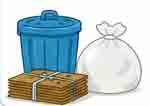
84. 塵 (gomi) – Basura, desperdicios, desechos.
塵 - polvo, basura.
1. ごみを捨ててください。
Gomi o sutete kudasai.
→ Por favor, tira la basura.Vocabulario: 捨てる (suteru – tirar, desechar).
2. ごみの日は火曜日です。
Gomi no hi wa kayōbi desu.
→ El día de la basura es el martes.Vocabulario: 日 (hi – día), 火曜日 (kayōbi – martes).
3. 公園にごみが落ちています。
Kōen ni gomi ga ochiteimasu.
→ Hay basura tirada en el parque.Vocabulario: 公園 (kōen – parque), 落ちる (ochiru – caer, estar tirado).
85. ご覧になる (goran ni naru) – (Respetuoso) ver
覧 (ran – mirar, observar).
Expresión honorífica (sonkeigo).
1. 先生、この本をご覧になりますか。
Sensei, kono hon o goran ni narimasu ka.
→ Profesor, ¿va a ver este libro?Vocabulario: 本 (hon – libro).
2. テレビをご覧になっていますか。
Terebi o goran ni natteimasu ka.
→ ¿Está viendo la televisión?Vocabulario: テレビ (terebi – televisión).
3. 写真をご覧ください。
Shashin o goran kudasai.
→ Por favor, mire la foto.Vocabulario: 写真 (shashin – foto).
86. ご主人 (goshujin) – Tu marido, su marido
主 (shu – amo, dueño). 人 (jin – persona).
1. ご主人はお元気ですか。
Goshujin wa ogenki desu ka.
→ ¿Su esposo está bien?Vocabulario: 元気 (genki – salud, energía).
2. ご主人はどこで働いていますか。
Goshujin wa doko de hataraiteimasu ka.
→ ¿Dónde trabaja su marido?Vocabulario: 働く (hataraku – trabajar).
3. ご主人は日本人ですか。
Goshujin wa nihonjin desu ka.
→ ¿Su esposo es japonés?Vocabulario: 日本人 (nihonjin – japonés).
87. ご存じ (gozonji) – Saber, conocer. (respetuoso)
存 (zon – existir, estar). 知 (ji – saber, conocer).
1. 先生をご存じですか。
Sensei o gozonji desu ka.
→ ¿Conoce usted al profesor?Vocabulario: 先生 (sensei – maestro).
2. 彼の名前をご存じでしょうか。
Kare no namae o gozonji deshō ka.
→ ¿Sabe usted su nombre?Vocabulario: 名前 (namae – nombre).
3. この映画をご存じですか。
Kono eiga o gozonji desu ka.
→ ¿Conoce esta película?Vocabulario: 映画 (eiga – película).
88. 具合 (guai) – Condición, salud
具 (gu – herramienta, condición, medio). 合 (ai – unir, encajar, condición).
1. 体の具合が悪いです。
Karada no guai ga warui desu.
→ Me siento mal de salud.Vocabulario: 体 (karada – cuerpo), 悪い (warui – malo).
2. エンジンの具合を見てください。
Enjin no guai o mite kudasai.
→ Por favor, revise la condición del motor.Vocabulario: エンジン (enjin – motor), 見る (miru – mirar).
3. 具合はどうですか。
Guai wa dō desu ka.
→ ¿Cómo se siente?).Vocabulario: 映画 (eiga – película).
89. 葉 (ha) – Hoja
葉 (ha – hoja).
1. 木の葉が落ちました。
Ki no ha ga ochimashita.
→ Las hojas del árbol cayeron.Vocabulario: 木 (ki – árbol), 落ちる (ochiru – caer).
2. 葉の色が変わります。
Ha no iro ga kawarimasu.
→ El color de las hojas cambia.Vocabulario: 色 (iro – color), 変わる (kawaru – cambiar).
3. 葉を拾いました。
Ha o hiroimashita.
→ Recogí una hoja.Vocabulario: 拾う (hirou – recoger).
90. 拝見 (haiken) – Ver, mirar (humilde)
拝 (hai – adorar, respetuosamente hacer).
見 (ken – ver. Forma humilde (kenjōgo) de "mirar, ver".
1. あなたの手紙を拝見しました。
Anata no tegami o haiken shimashita.
→ He visto su carta.Vocabulario: 手紙 (tegami – carta).
2. 写真を拝見してもよろしいですか。
Shashin o haiken shite mo yoroshii desu ka.
→ ¿Puedo ver la foto?Vocabulario: 写真 (shashin – foto), よろしい (yoroshii – estar bien).
3. プレゼンを拝見しました。
Purezen o haiken shimashita.
→ He visto la presentación.Vocabulario: プレゼン (purezen – presentación).
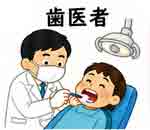
91. 歯医者 (haisha) – Dentista
歯 (ha – diente). 医 (i – medicina). 者 (sha – persona).
1. 歯医者に行きます。
Haisha ni ikimasu.
→ Voy al dentista.Vocabulario: 行く (iku – ir).
2. 昨日、歯医者で虫歯を治しました。
Kinō, haisha de mushiba o naoshimashita.
→ Ayer me trataron una caries en el dentista.Vocabulario: 昨日 (kinō – ayer), 虫歯 (mushiba – caries), 治す (naosu – curar, arreglar).
3. いい歯医者を知っていますか。
Ī haisha o shitteimasu ka.
→ ¿Conoces un buen dentista?Vocabulario: 知る (shiru – conocer, saber).
92. はっきり (hakkiri) – Claramente
1. はっきり言ってください。
Hakkiri itte kudasai.
→ Por favor, hable claramente.Vocabulario: 言う (iu – decir).
2. 声がはっきり聞こえます。
Koe ga hakkiri kikoemasu.
→ Se escucha claramente la voz.Vocabulario: 声 (koe – voz), 聞こえる (kikoeru – oírse).
3. はっきり覚えています。
Hakkiri oboeteimasu.
→ Lo recuerdo claramente.Vocabulario: 覚える (oboeru – recordar, memorizar).
93. 運ぶ (hakobu) – Llevar, transportar
運 (un).
1. 荷物を運びます。
Nimotsu o hakobimasu.
→ Transporto el equipaje.Vocabulario: 荷物 (nimotsu – equipaje).
2. テーブルを部屋に運んでください。
Tēburu o heya ni hakonde kudasai.
→ Por favor, lleva la mesa a la habitación.Vocabulario: 部屋 (heya – habitación), テーブル (tēburu – mesa).
3. 工場で商品を運んでいます。
Kōjō de shōhin o hakondeimasu.
→ En la fábrica transportan productos.Vocabulario: 工場 (kōjō – fábrica), 商品 (shōhin – producto).
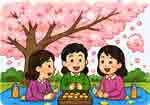
94. 花見 (hanami) – Observación de flores de cerezo
花 (hana – flor). 見 (mi – ver, mirar).
1. 春に花見をします。
Haru ni hanami o shimasu.
→ En primavera se hace el hanami.Vocabulario: 春 (haru – primavera).
2. 花見に行きましょう。
Hanami ni ikimashō.
→ Vamos a ver las flores de cerezo.Vocabulario: 行く (iku – ir).
3. 公園で花見を楽しみました。
Kōen de hanami o tanoshimimashita.
→ Disfruté del hanami en el parque.Vocabulario: 公園 (kōen – parque), 楽しむ (tanoshimu – disfrutar).
95. ハンドバッグ (handobaggu) – Bolso
Del inglés handbag.
1. 新しいハンドバッグを買いました。
Atarashii handobaggu o kaimashita.
→ Compré un bolso nuevo.Vocabulario: 新しい (atarashii – nuevo), 買う (kau – comprar).
2. ハンドバッグに財布を入れました。
Handobaggu ni saifu o iremashita.
→ Puse la billetera en el bolso.Vocabulario: 財布 (saifu – billetera), 入れる (ireru – meter, poner dentro).
3. 彼女は黒いハンドバッグを持っています。
Kanojo wa kuroi handobaggu o motteimasu.
→ Ella tiene un bolso negro.Vocabulario: 彼女 (kanojo – ella), 黒い (kuroi – negro), 持つ (motsu – tener, llevar).
96. 反対 (hantai) – Oposición, resistencia, antagonismo
反 (han – opuesto, anti). 対 (tai – frente a, oposición).
1. その意見に反対です。
Sono iken ni hantai desu.
→ Estoy en contra de esa opinión.Vocabulario: 意見 (iken – opinión).
2. 多くの人が反対しました。
Ōku no hito ga hantai shimashita.
→ Muchas personas se opusieron.Vocabulario: 多く (ōku – muchos), 人 (hito – persona).
3. 父は私の結婚に反対しています。
Chichi wa watashi no kekkon ni hantai shiteimasu.
→ Mi padre se opone a mi matrimonio.Vocabulario: 父 (chichi – padre), 結婚 (kekkon – matrimonio).
97. 払う (harau) – Pagar
払 (hara(u) – pagar, barrer).
1. レストランでお金を払いました。
Resutoran de okane o haraimashita.
→ Pagué dinero en el restaurante.Vocabulario: お金 (okane – dinero), レストラン (resutoran – restaurante).
2. 注意を払うべきです。
Chūi o harau beki desu.
→ Deberías prestar atención.Vocabulario: 注意 (chūi – atención, cuidado), べき (beki – deber).
3. 借金を全部払いました。
Shakkin o zenbu haraimashita.
→ Pagué toda la deuda.Vocabulario: 借金 (shakkin – deuda), 全部 (zenbu – todo).
98. 発音 (hatsuon) – Pronunciación
発 (hatsu – emitir, surgir). 音 (on – sonido).
1. 日本語の発音は難しいです。
Nihongo no hatsuon wa muzukashii desu.
→ La pronunciación del japonés es difícil.Vocabulario: 日本語 (nihongo – japonés), 難しい (muzukashii – difícil).
2. 正しい発音を練習しています。
Tadashii hatsuon o renshū shiteimasu.
→ Estoy practicando la pronunciación correcta.Vocabulario: 正しい (tadashii – correcto), 練習 (renshū – práctica).
3. 英語の発音を教えてください。
Eigo no hatsuon o oshiete kudasai.
→ Por favor, enséñeme la pronunciación del inglés.Vocabulario: 英語 (eigo – inglés), 教える (oshieru – enseñar).
99. 林 (hayashi) – Bosque, bosquecillo
林 (hayashi – bosque, arboleda).
1. 林の中を歩きました。
Hayashi no naka o arukimashita.
→ Caminé dentro del bosque.Vocabulario: 中 (naka – dentro), 歩く (aruku – caminar).
2. 小さな林があります。
Chīsana hayashi ga arimasu.
→ Hay un pequeño bosque.Vocabulario: 小さい (chīsai – pequeño), ある (aru – haber).
3. 林で鳥の声を聞きました。
Hayashi de tori no koe o kikimashita.
→ Escuché cantos de pájaros en el bosque.Vocabulario: 鳥 (tori – pájaro), 声 (koe – voz, sonido), 聞く (kiku – escuchar).
100. 恥ずかしい (hazukashii) – Embarazoso, vergonzoso
恥 (haji – vergüenza).
3. 大勢の前で間違えて恥ずかしかったです。
Ōzei no mae de machigaete hazukashikatta desu.
→ Me dio vergüenza equivocarme frente a mucha gente.Vocabulario: 大勢 (ōzei – mucha gente), 間違える (machigaeru – equivocarse).
2. 恥ずかしくて何も言えませんでした。
Hazukashikute nani mo iemasendeshita.
→ Tenía tanta vergüenza que no pude decir nada.Vocabulario: 言う (iu – decir), 何も (nani mo – nada).
1. 子供のころはよく恥ずかしがりました。
Kodomo no koro wa yoku hazukashigarimashita.
→ Cuando era niño me avergonzaba mucho.Vocabulario: 子供 (kodomo – niño), 頃 (koro – época, cuando), 恥ずかしがる (hazukashigaru – avergonzarse).















* * *

Esta obra está bajo una licencia de Creative Commons.
Copyright © Helena Rivero
Si te apetece puedes avisarme cuando encuentres algún error en la página.